In The Valley of Roses
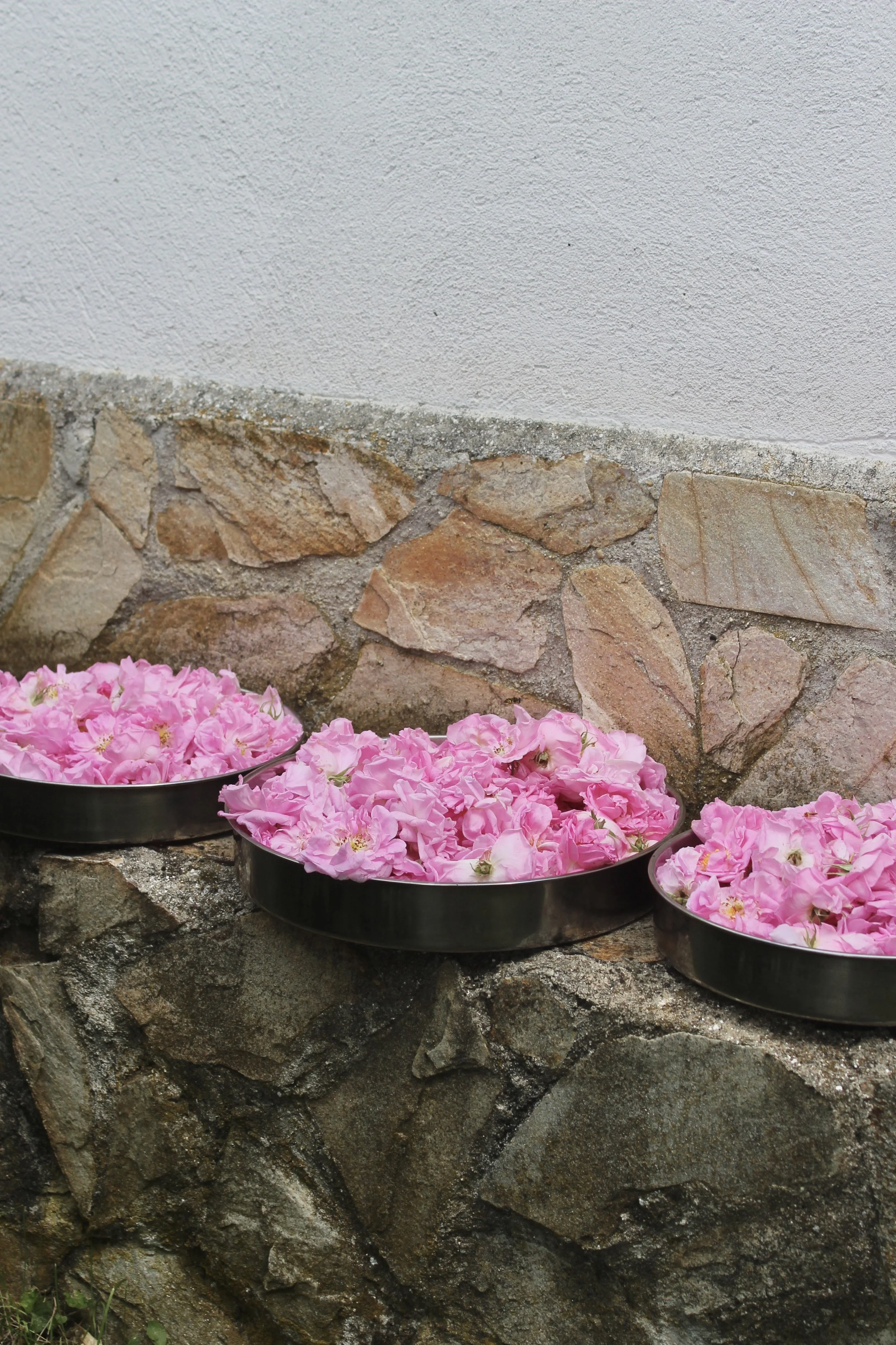
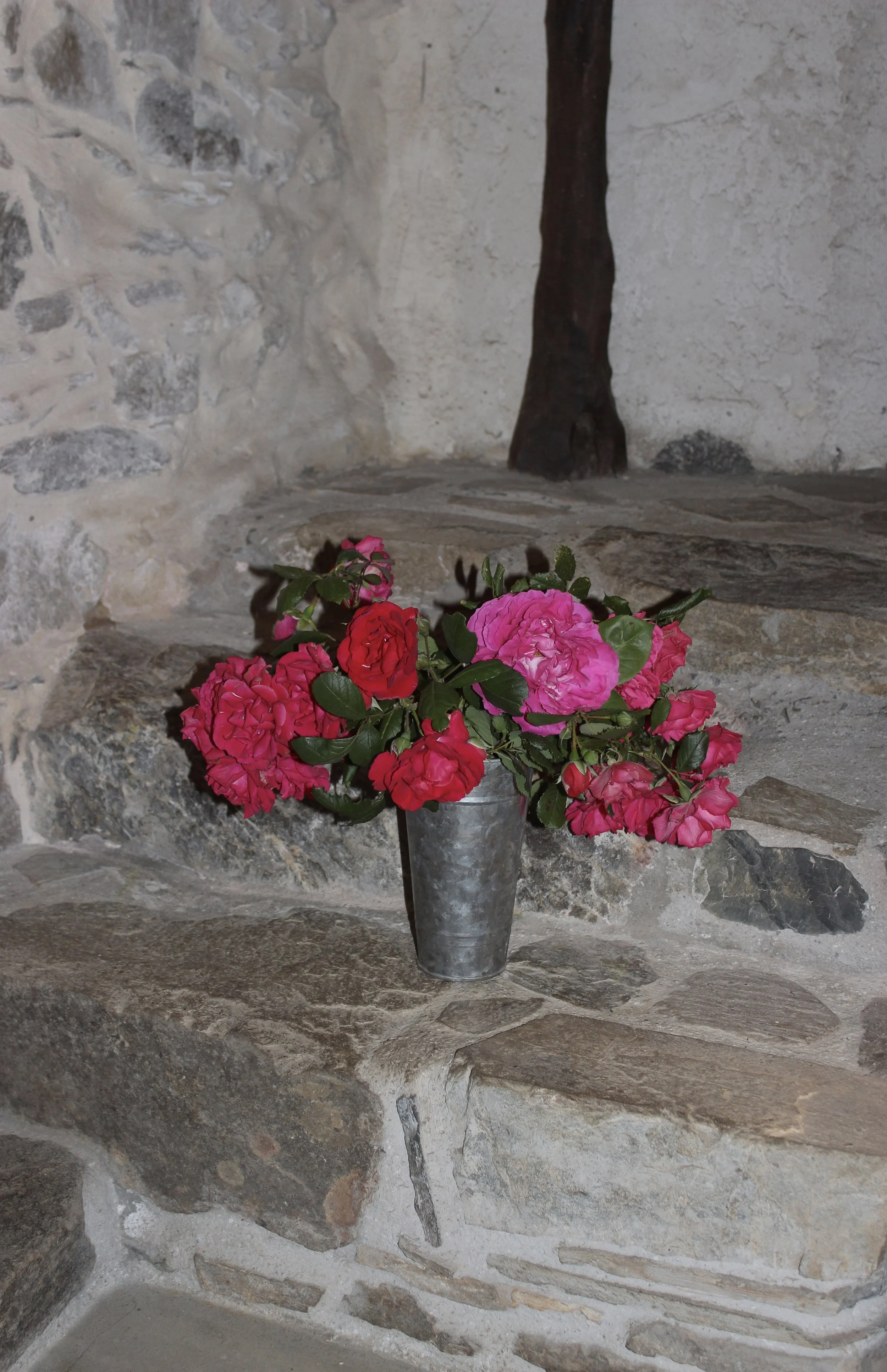
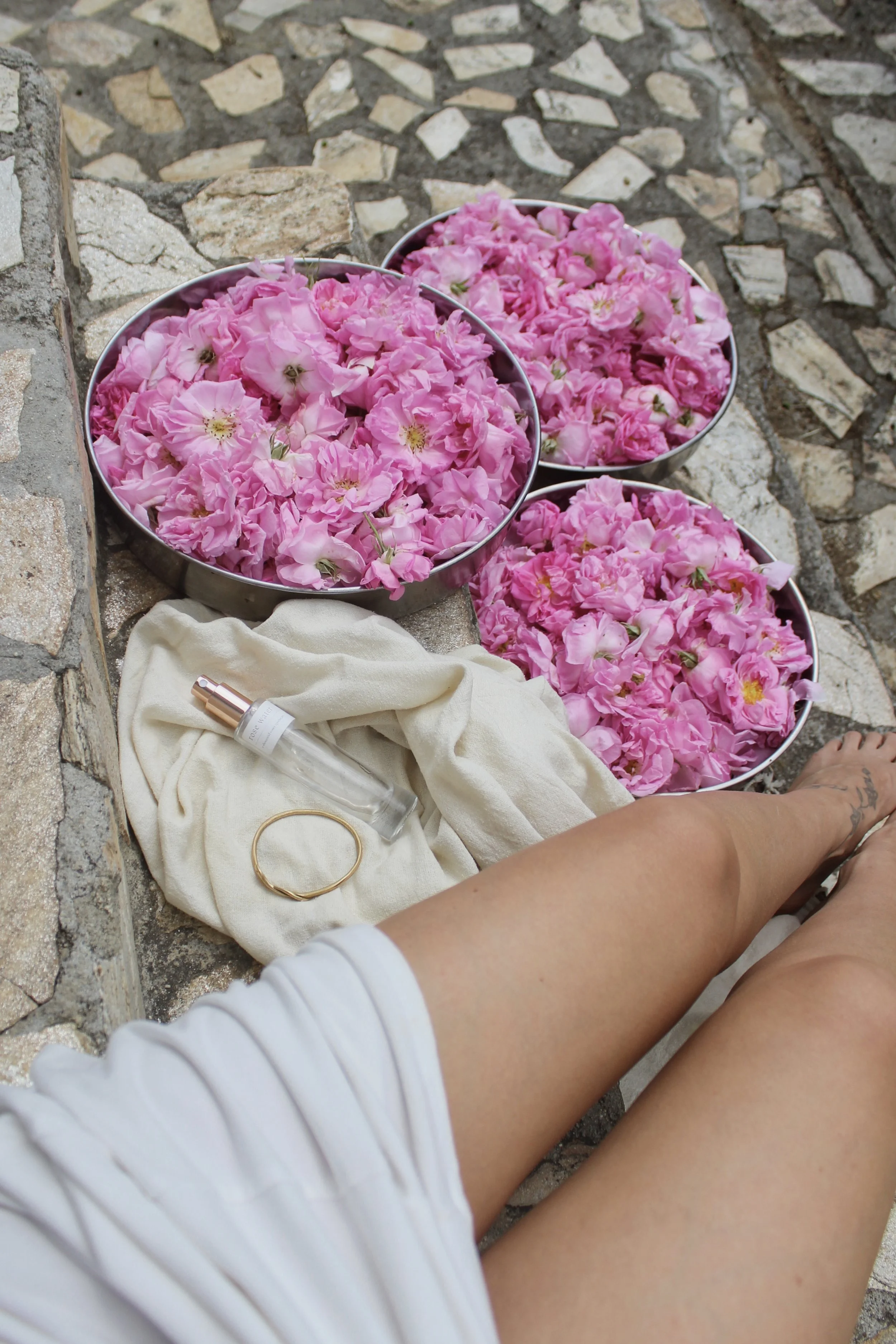
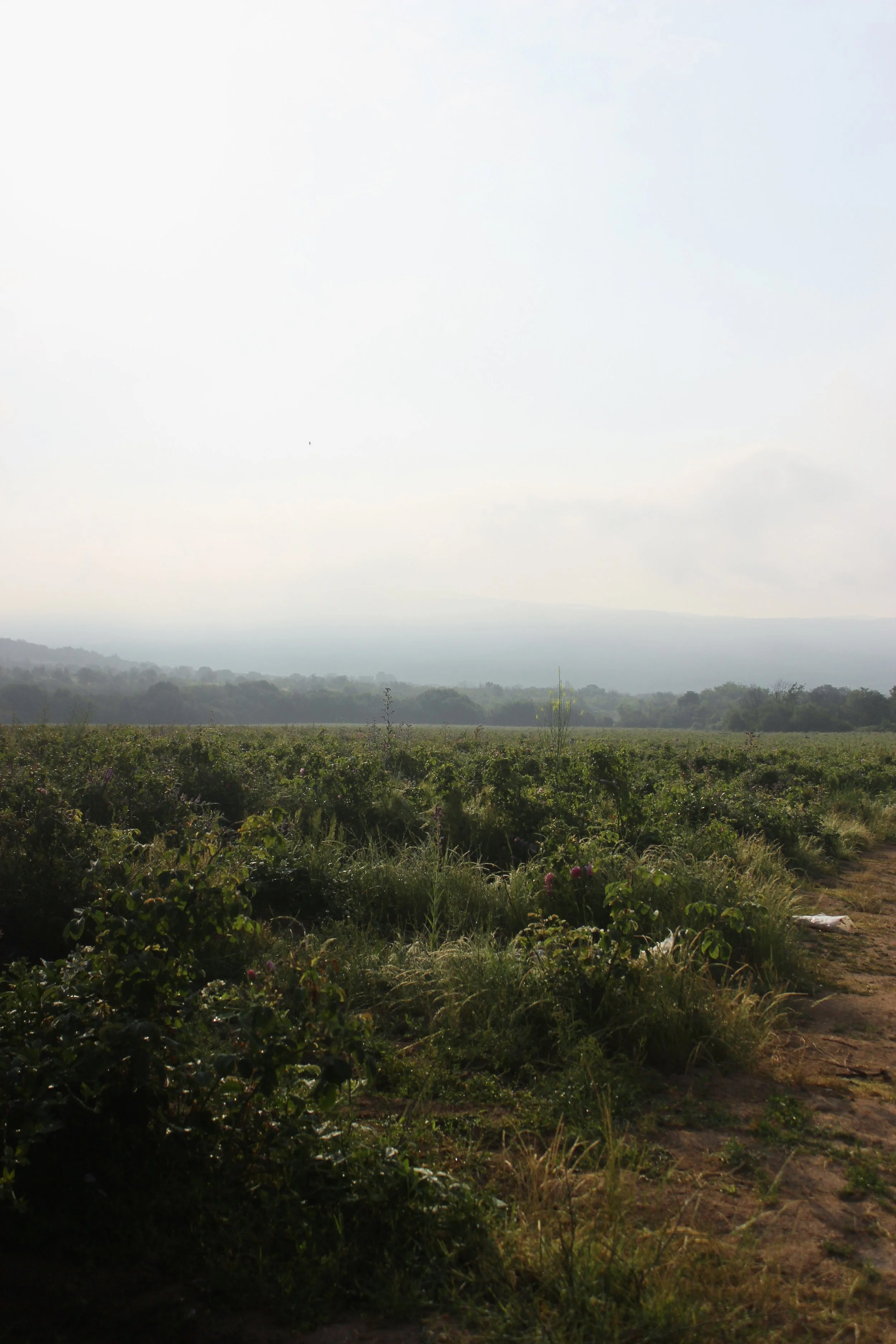
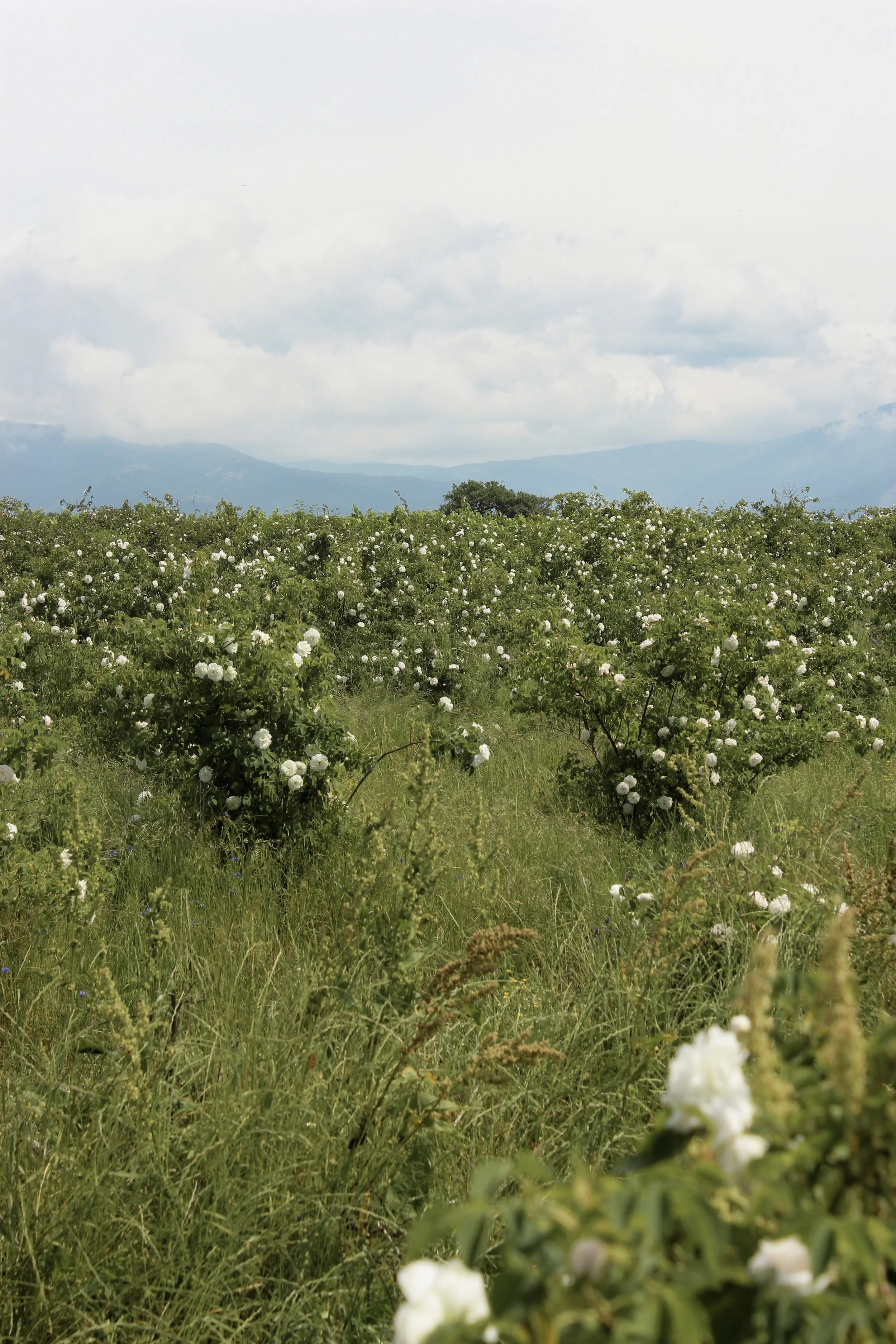
As I drive through the mountain in the morning, I see more wild rose bushes than I have seen in my life; delicate pink petals scattered across thorny stems. A land of Roses- but also of poppies, tall-reaching white-laced Hemlock flowers, and evening primroses. There are white butterflies everywhere. Morning mist covers the horizon as we walk into the far-reaching rose fields. Sweet dew drops on sweet fragrant petals. I feel a little closer to heaven.
THE ROSE IN PERFUMERY
The history of the rose in perfumery stretches back for millennia, with the rose being on of the very first plants to ever be cultivated for their use as perfume. Today, Bulgaria is the main producer of rose oil in the world, and the little area known as the Rose Valley, produces 70-80% of the rose essential oil in the world.
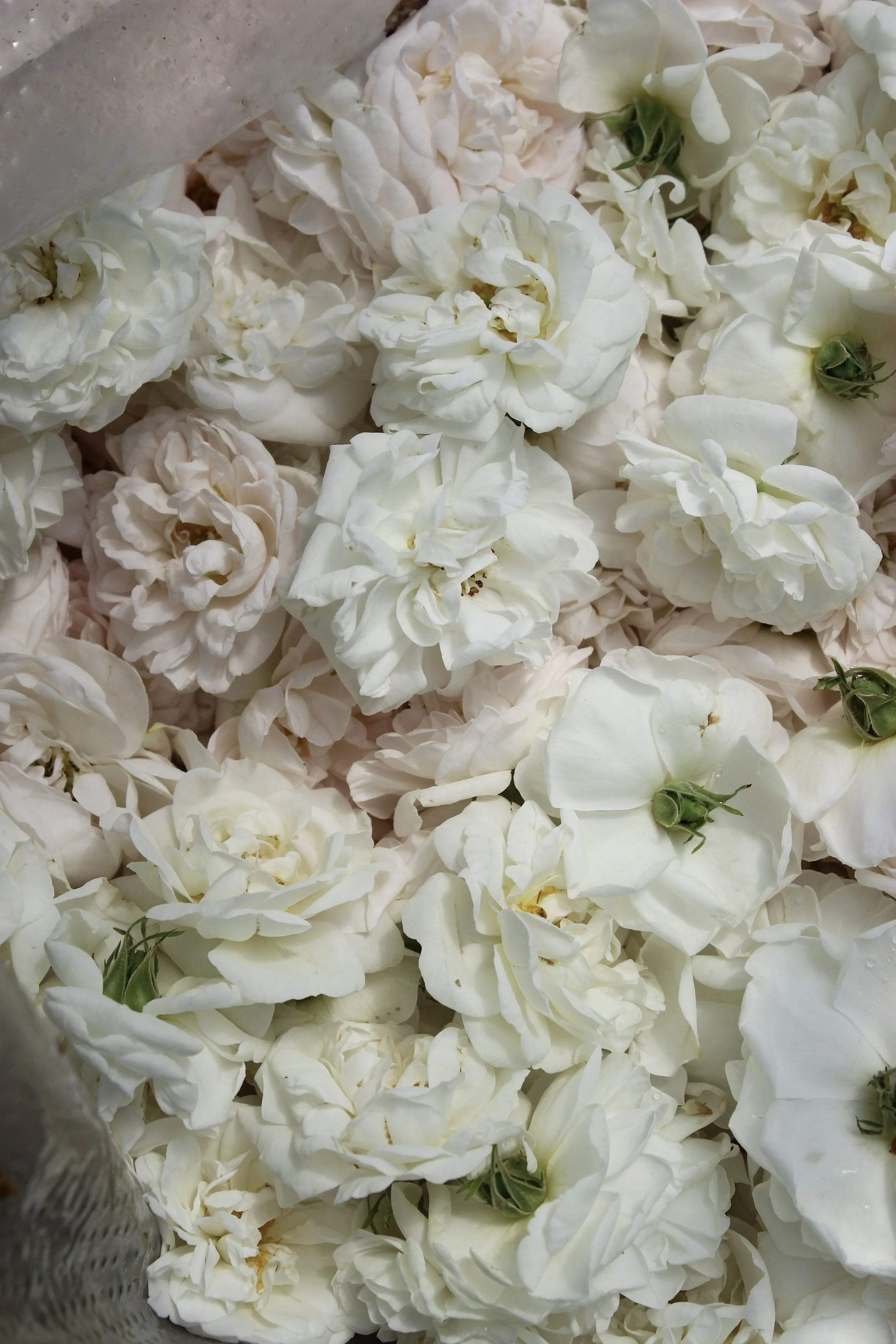
The Rosa damascena mill., or Damask Rose, is a treasured and revered rose species, and the one used primarily in the production of rose oil, alongside the white Rosa Alba (which is becoming increasingly popular) and Rosa Centifolia and Rosa Gallica. The Damascena rose is a deciduous shrub believed to be a hybrid between Rosa Gallica and Rosa Moschata, its roots tracing back to the ancient middle east, with possible origins in the foothills of central Asia. The name ‘Damascena’ refers to the place of Damascus in Syria, where this rose was cultivated extensively during ancient times.
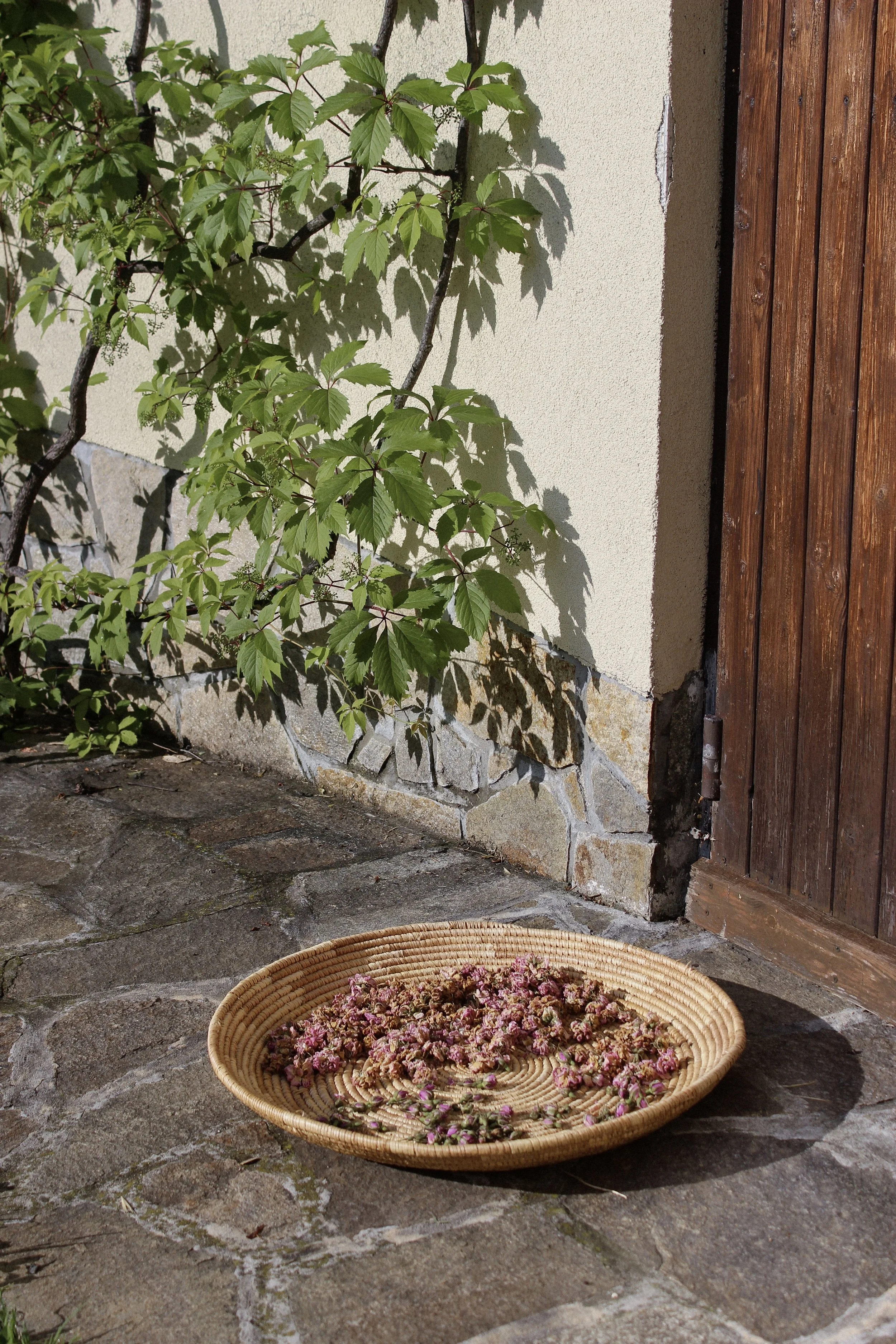
The first techniques for making rose perfume includes a process called enfleurage, where thin layers of animal fat was spread out and covered with fragrant petals, including rose and jasmine. The next day the petals were removed and replaced, and this process was often repeated for up to 60 days to achieve enough fragrant material. Another early process of making rose oil or rose perfume involved adding the fresh petals to oils, such as olive and sweet almond oil and left to infuse for a day. The oil was then squeezed through big sheets of cotton material, and repeated several times in order to infused the oil with fragrance.
The ancient Persians were among the first people to develop other, more efficient methods for extracting actual rose oil (not just infusing its fragrance into other carrier materials). They developed early distillation techniques, and the Persian polymath Avicenna is credited to be the one who perfected the steam distillation process already in the 10th century- a process that revolutionized the rose industry and is still the primary method for making rose oil today.
HARVEST SEASON
The harvest season of roses in Bulgaria is a beautiful, time-old tradition where the roses are picked by hand in the early morning hours, usually between 5am and 10am when the morning dew is still on the petals. After 10am the sun is generally too strong, causing the volatile oils in the roses to evaporate- not ideal for rose oil production. It takes 30-40 roses to produce a single drop of rose essential oil, and 3,000-4,000 kilograms to produce one kilogram of rose essential oil. The exact amount of oil yield per kilogram of roses depends on the season, the weather, and what time the roses were harvested.
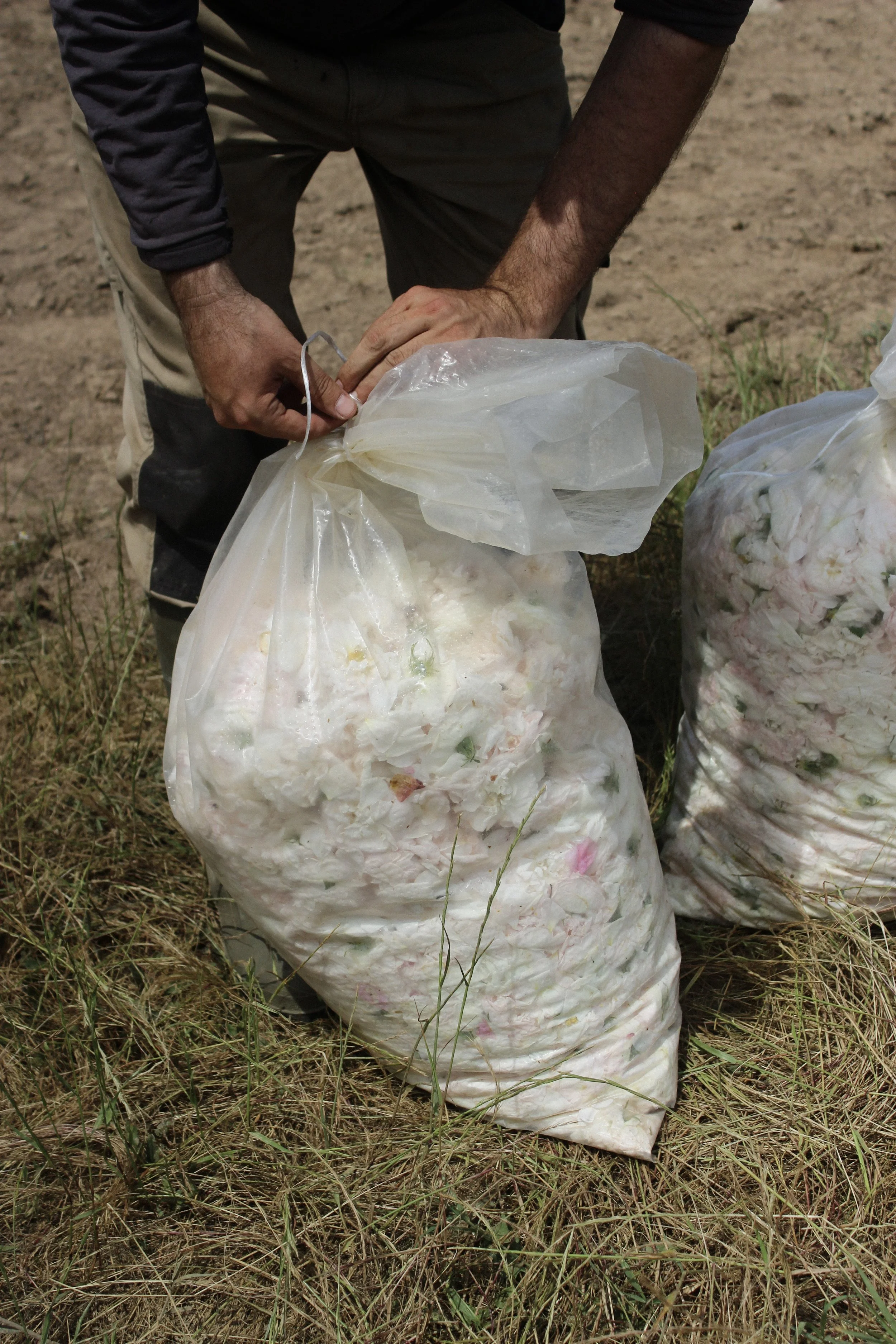
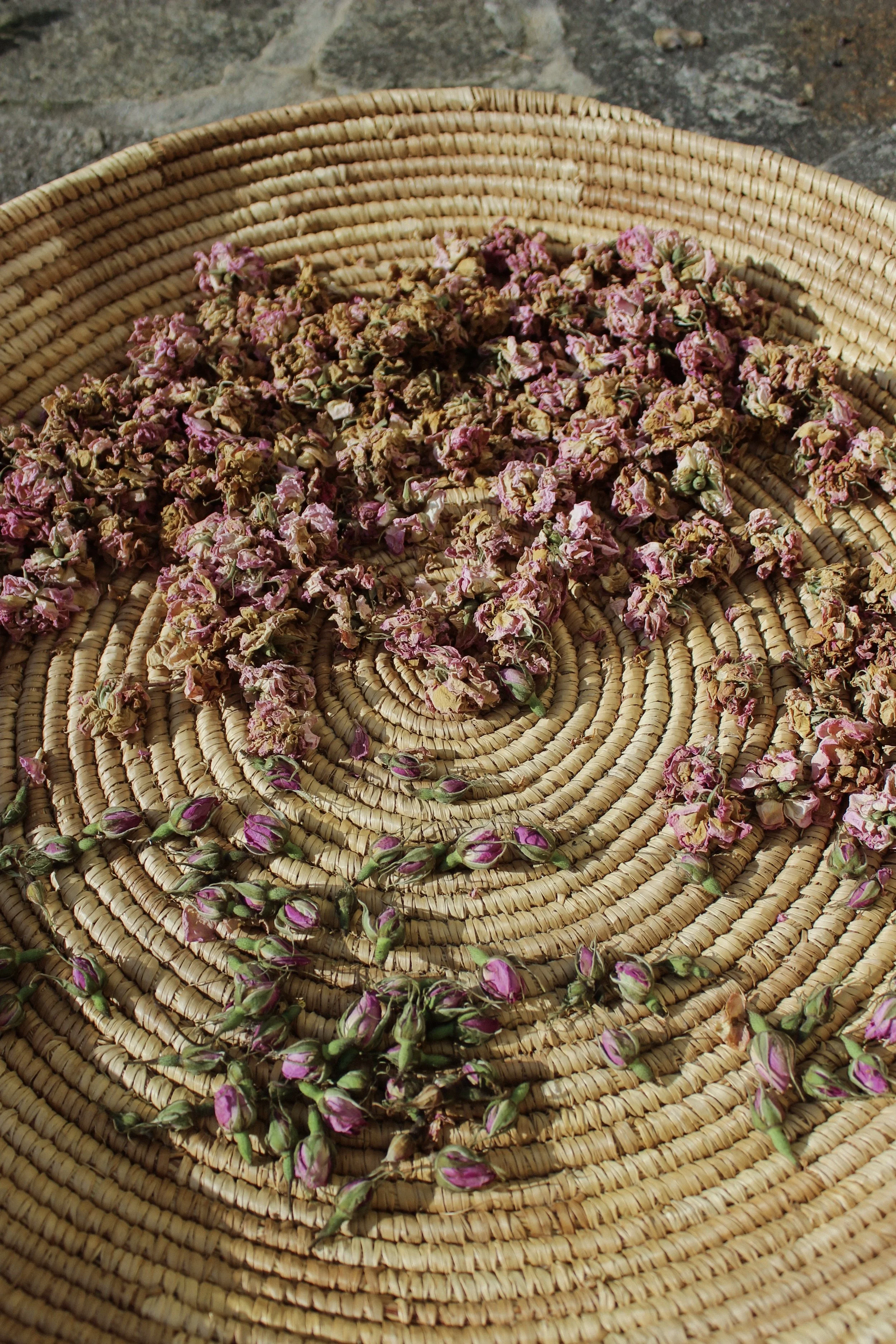
My last visit in the rose valley takes me to a small, family owned farm after a recommendation from a friend of a friend. The beautiful 70-something Radion welcomes me with open arms, and I end up staying the whole day. We share cups of tea and stories in his office, sweet furry peaches and olives from his Turkish friend. It turns out to be the most special meeting. I bring jars of rose oil with me as I leave (and as much rose water as I can fit in my suitcase) , and Radion makes me promise to return soon- not a hard promise to make.
“How
Did the rose
Ever open its heart
And give to this world
All its
Beauty?
It felt the encouragement of light
Against its Being.
Otherwise,
We all remain
Too
Frightened”
―Hafiz